
This post may contain affiliate links which means we may receive a commission for purchases made through links. Read more on our Privacy Policy.
Understanding Depression and Its Impact on Daily Life
Easy Self-Care Checklist for Depression is a multifaceted mental health condition characterized by a persistent feeling of sadness and a loss of interest or pleasure in daily activities.

This condition can significantly impact various aspects of life, including relationships, work performance, and overall well-being. Symptoms commonly associated with depression include fatigue, difficulty concentrating, changes in appetite or sleep patterns, and feelings of hopelessness. Understanding these symptoms is crucial for recognizing the condition in oneself or in others.
Table of Contents
Emotionally, individuals with depression often experience feelings of worthlessness, guilt, and despair. These emotions can transform a person’s outlook on life, leading to withdrawal from social interactions and decreased motivation for engaging in previously enjoyable activities. Additionally, depression can exacerbate existing relationship challenges, as the impacted individual may struggle to communicate their needs or effectively respond to the needs of others.
From a physical standpoint, the effects of depression can manifest as unexplained aches and pains, changes in energy levels, and even alterations in immune function. Such symptoms can make routine tasks feel overwhelming, further contributing to a cycle of inactivity and exacerbation of depressive symptoms. Cognitive impacts are also prevalent, with challenges in concentration, decision-making, and memory often reported by those suffering from depression.
Statistics reveal that depression is a widespread issue; according to the World Health Organization (WHO), more than 264 million people worldwide suffer from this condition. Personal narratives further emphasize the diverse experiences of those affected by depression, showcasing that it is not merely a fleeting feeling of sadness, but a serious challenge that can affect anyone, regardless of age, background, or lifestyle. By fostering awareness and understanding of depression, we can begin to dismantle the stigma surrounding mental health issues, paving the way for more supportive environments.
The Importance of Self-Care in Coping with Depression
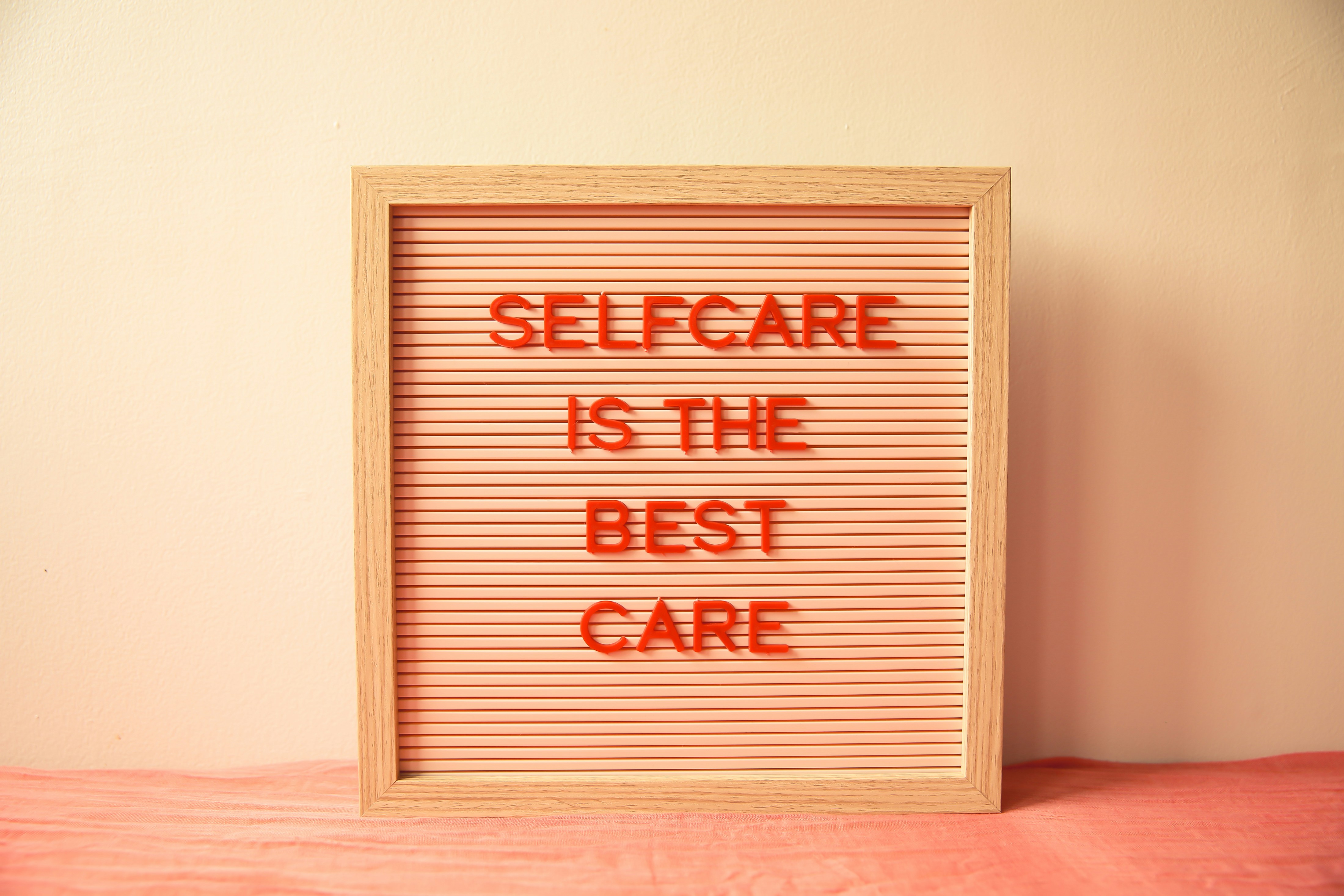
Self-care is a crucial aspect in the journey of managing depression. When individuals prioritize self-care, they not only enhance their mental health but also contribute significantly to their overall well-being. By engaging in self-care activities, such as regular exercise, maintaining a balanced diet, and ensuring sufficient sleep, those affected by depression can observe a reduction in their symptoms and a boost in their mood.
Try these health and wellness products. Learn more by clicking here!
The relationship between physical health and mental wellness is well-established. Regular physical activity can lead to the release of endorphins, often referred to as “feel-good” hormones, which help to reduce feelings of sadness and anxiety commonly associated with depression.

Moreover, a nutritious diet supports brain function and overall bodily health, both of which are essential in combating feelings of despair. Adequate sleep also plays a pivotal role; without sufficient rest, individuals may experience exacerbated feelings of fatigue and irritability, making depressive symptoms harder to manage.
Incorporating self-care practices into daily routines fosters resilience, equipping individuals with the tools needed to cope effectively with the challenges posed by depression. Engaging in activities that promote relaxation, such as mindfulness and meditation, can help individuals ground themselves, reduce stress, and improve their emotional regulation. Furthermore, self-care empowers individuals to reconnect with their interests, motives, and passions, providing a sense of purpose during times of struggle.
Thus, prioritizing self-care is not solely a personal luxury but an essential strategy in the management of depression. By taking proactive steps to nurture both physical and mental health, individuals can create a robust foundation that enhances their resilience against the fluctuations of depressive moods.

Practical Self-Care Strategies for Depression
Managing depression can often feel overwhelming, but incorporating practical self-care strategies into one’s daily routine can significantly alleviate its symptoms. One effective approach is mindfulness practice.
Mindfulness allows individuals to focus on the present moment without judgment, thus reducing anxiety and promoting emotional well-being. Activities such as meditation, yoga, or even mindful walking can be easily integrated into daily life, requiring only a few minutes each day.

Physical exercise also plays a crucial role in combating depression. Engaging in regular physical activity helps to release endorphins, the body’s natural mood elevators. Whether it’s a brisk walk, cycling, or dancing, finding an enjoyable form of exercise can turn a daunting task into a fulfilling experience. Aim for at least 30 minutes of moderate exercise most days of the week to feel its full benefits.
Journaling is another valuable self-care strategy. Writing down thoughts and feelings can provide an outlet for self-expression and ruminative thoughts can be structured into actionable items. It often helps individuals to identify patterns in their emotions and behavior, providing insights into their mental state. Setting aside time in the evening to reflect on the day can build emotional resilience.
Establishing a support system is vital for mental health. Connecting with friends, family, or support groups can offer encouragement and understanding. Discussing feelings openly with a trusted person provides relief and enhances interpersonal relationships, which are crucial for recovery from depression.
Finally, maintaining a balanced diet contributes greatly to overall mood enhancement. Foods rich in omega-3 fatty acids, whole grains, and plenty of fresh fruits and vegetables can make a significant impact on mental health. Being conscious of food choices can also foster a sense of control and empowerment in one’s life.
Incorporating these self-care strategies into everyday routines can enhance coping mechanisms and promote a healthier mindset when navigating the complexities of depression.
Seeking Professional Help and Additional Resources
When managing depression, seeking professional help is crucial. Mental health professionals play a significant role in providing the support needed to navigate this challenging condition. The primary types of mental health professionals include psychologists, psychiatrists, licensed clinical social workers, and licensed therapists. Each type of professional offers distinct services, such as psychotherapy or medication management, thus catering to the varying needs of patients.
Therapy options for depression are diverse and can be tailored to suit individual preferences. Cognitive behavioral therapy (CBT) is especially effective, helping individuals identify and change negative thought patterns. Other therapeutic methods include interpersonal therapy, mindfulness-based interventions, and group therapy, offering a supportive environment in which individuals can share their experiences with others facing similar challenges.
Like The Pin? Save the Pin!
In addition to therapy, medication can also play a vital role in managing depression. Antidepressants, such as selective serotonin reuptake inhibitors (SSRIs) and serotonin-norepinephrine reuptake inhibitors (SNRIs), are commonly prescribed to alleviate symptoms. It is essential for individuals to discuss their symptoms and preferences with a psychiatrist to find the most suitable medication, as responses can vary significantly.
For those seeking additional resources, numerous hotlines and support groups are available. Organizations like the National Alliance on Mental Illness (NAMI) offer helplines and educational materials to assist individuals dealing with mental health issues. Additionally, online platforms such as BetterHelp and Talkspace provide virtual therapy appointments, making mental health support more accessible. Joining local or online support groups can also foster a sense of community and encourage individuals to share their experiences, which can be instrumental in the recovery process.
FAQ
1. What is a self-care checklist for depression and burnout?
A self-care checklist is a simple list of healthy habits and supportive activities that help improve emotional well-being, reduce stress, and restore energy during difficult times.
2. Why is self-care important when dealing with depression or burnout?
Self-care helps support both mental and physical health. Small daily actions like resting, eating well, and staying connected can improve mood, lower stress levels, and prevent emotional exhaustion from getting worse.
3. What are the easiest self-care habits to start with?
Some of the easiest habits include:
Drinking more water
Taking short walks
Getting enough sleep
Eating regular meals
Limiting screen time
Practicing deep breathing
Listening to calming music
4. How can I tell if I’m experiencing burnout?
Common signs of burnout include:
Constant fatigue
Lack of motivation
Feeling emotionally drained
Difficulty concentrating
Increased irritability
Trouble sleeping
Feeling overwhelmed by simple tasks
5. Can a self-care checklist really help with depression?
A checklist is not a cure, but it can help create structure and encourage healthier routines. Consistent self-care may improve emotional balance and make daily life feel more manageable.
6. What should be included in a depression self-care checklist?
A helpful checklist may include:
Wake up at the same time daily
Eat nutritious meals
Spend time outdoors
Move your body for 10–20 minutes
Talk to someone you trust
Write in a journal
Practice gratitude
Take breaks without guilt
Buy Yoga Membership online Canada. 5 ways to enjoy your practice
This post may contain affiliate links which means we may receive a commission for purchases made through links. Read more on our Privacy Policy.
Discover more from Ms. Melissa Morris
Subscribe to get the latest posts sent to your email.