This post may contain affiliate links which means we may receive a commission for purchases made through links. Read more on our Privacy Policy.
What is a quick high protein snack plate lunch Snack Plate?
A quick high-protein snack plate lunch is a thoughtfully assembled collection of food items that are particularly rich in protein.
Table of Contents
It typically includes a variety of protein sources that can range from meats and dairy products to plant-based options such as legumes and nuts. The idea behind a high protein snack plate is to provide a balanced nutritional profile that not only satiates hunger but also promotes muscle maintenance and supports overall health.

The primary components of a high protein snack plate usually consist of items like Greek yogurt, hard-boiled eggs, cheese, hummus, nuts, and various forms of lean meats.
Shop protein and collagen products. Learn more by clicking here!
These foods are recognized for their high protein content, which is essential for maintaining muscle mass, especially for individuals with active lifestyles.
Incorporating these high-protein snacks into your diet helps balance blood sugar levels, preventing the energy crashes often associated with high-carbohydrate snacks. This stability in energy levels is particularly beneficial for those needing sustained focus throughout the day.
Moreover, a well-structured high protein snack plate can offer additional health benefits by providing essential nutrients, including vitamins, minerals, and healthy fats.
For instance, nuts and seeds contribute not only protein but also beneficial omega-3 fatty acids, while dairy products can offer calcium and vitamin D.

By integrating a variety of these components, a high protein snack plate can effectively support overall well-being, keeping you satisfied and energized.
Therefore, establishing a habit of enjoying such a snack plate is a valuable strategy for those looking to enhance their dietary habits while enjoying a range of flavors and textures.
Choosing the Right Ingredients
When crafting the perfect high protein snack plate, the selection of ingredients plays a pivotal role. Protein sources vary greatly and can cater to diverse dietary preferences, ensuring everyone can enjoy a protein-rich experience.
The first step is to identify quality protein sources. Dairy products such as Greek yogurt and cottage cheese are excellent choices, as they not only provide substantial amounts of protein but also offer calcium and probiotics. For those adhering to vegetarian or vegan diets, legumes, beans, and chickpeas present a nutritious option rich in plant-based protein.
In addition to legumes, nuts and seeds are also commendable high protein snacks. Almonds, walnuts, hemp seeds, and chia seeds can be added to your snack plate, providing healthy fats alongside protein. These ingredients not only add texture and flavor but also contribute essential nutrients, making them a complete source of sustenance.
Another protein-rich option comes from meat sources. Lean cuts of turkey, chicken breast, or lean beef offer a satisfying and fulfilling addition to any snack plate. These meats are easily pairable with other ingredients, enhancing both flavor and protein content. Moreover, cured meats like salami or prosciutto can serve as flavorful components when consumed in moderation.
For those sensitive to gluten or seeking alternative grains, options like quinoa or farro can be included in a high protein snack plate. These grains provide a unique texture and substantial protein while being versatile enough to fit various flavor profiles. Incorporating such ingredients takes into account dietary restrictions while ensuring an enjoyable eating experience.
Ultimately, the key to a successful high protein snack plate lies in balancing flavor, texture, and nutritional value. By selecting ingredients that align with your dietary preferences—whether omnivorous, vegetarian, or vegan—you can craft a satisfying snack that not only meets protein needs but also delights the palate.

Creative Combinations and Flavor Pairings
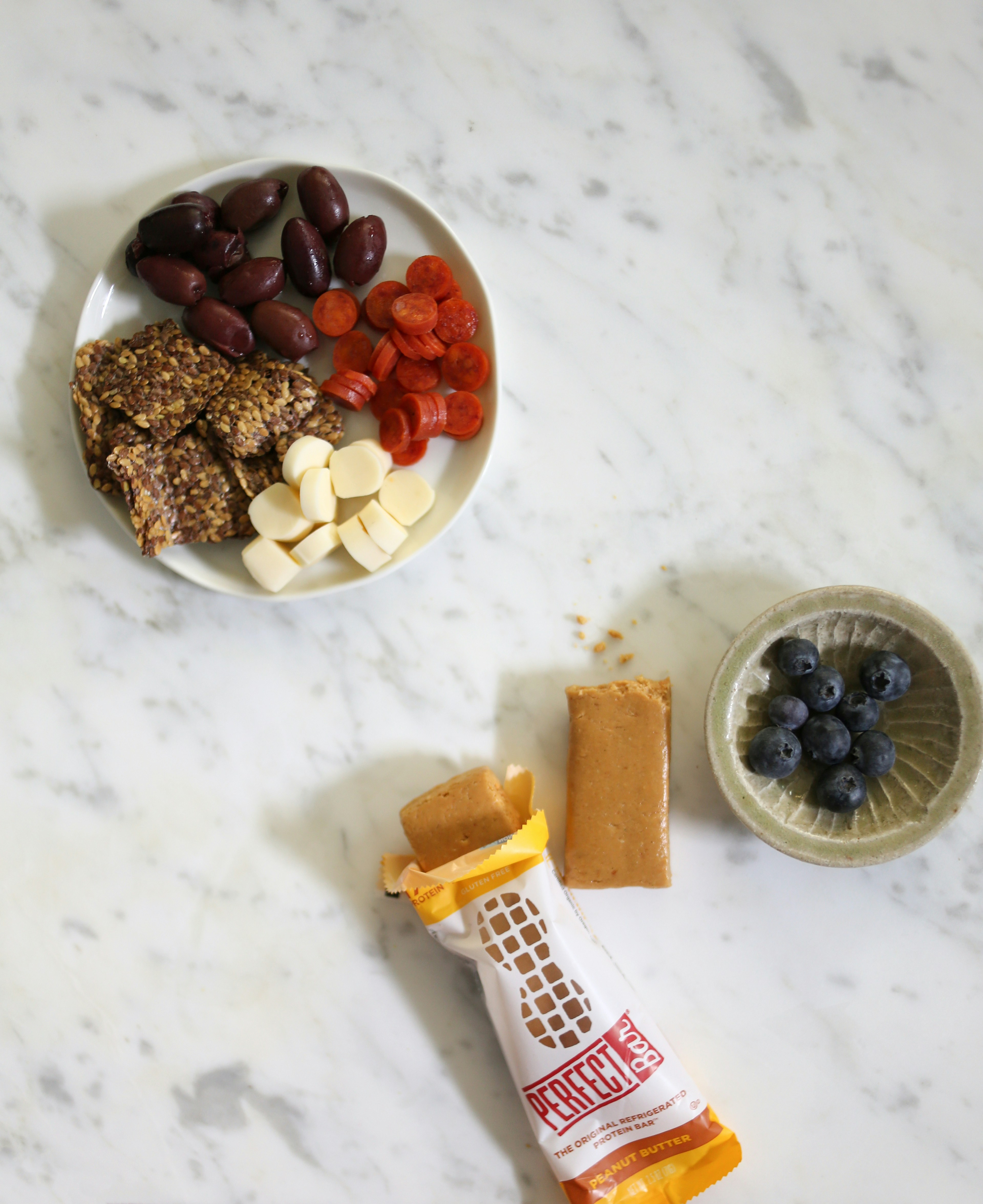
Crafting a high protein snack plate involves selecting ingredients that not only offer nutritional benefits but also create an exciting interplay of flavors, textures, and colors. One approach is to explore themed combinations that draw from diverse culinary traditions. For example, a Mediterranean-inspired plate can include Greek yogurt, hummus, sliced cucumbers, cherry tomatoes, and olives. These elements provide not only protein through yogurt and chickpeas but also a burst of freshness and vibrant color.
Another enticing option is an Asian-inspired snack plate. This could feature edamame beans, marinated tofu, sushi rolls filled with avocado and crab meat, and a side of soy sauce or wasabi for added zing. Each component serves to elevate the protein content while offering a range of textures from creamy to crunchy. Seasonal vegetables like bell peppers and snap peas can enhance the visual appeal while contributing additional nutrients.
Furthermore, incorporating nuts and seeds can boost protein levels while adding a satisfying crunch. Consider a plate that combines almonds with dried cranberries and a rich cheese selection like feta or gouda. Feta adds a creamy texture that complements the other ingredients, and the dried cranberries provide a sweet contrast against the savory tones. This combination creates a harmonious experience for the palate.
To inspire creativity further, mix and match elements from various cuisines, such as pairing grilled chicken skewers with a zesty mango salsa, or serving smoked salmon with whole-grain crackers and light cream cheese. Each combination contributes to a visually diverse and flavorful high protein snack plate, inviting both nutrition and aesthetics to your snacking routine.
Tips for Preparation and Presentation
Creating an enticing high-protein snack plate involves thoughtful preparation and presentation techniques. To begin, consider the portion sizes of each component. A balanced plate should include a variety of proteins, such as nuts, yogurt, cheese, and meats, alongside fruits and vegetables. Aim for a mix that aligns with your dietary needs, ensuring each portion is appropriate for the setting, whether it’s for a casual home snack or a festive gathering.
Meal prepping can significantly enhance your ability to quickly assemble high-protein snack plates. Designate a specific day each week for preparation, where you can chop vegetables, portion nuts, and prepare other snack items. This not only saves time during busy days but also encourages healthier eating habits. Store these items in clear containers in the refrigerator to maintain freshness and facilitate easy access.
The arrangement of the snack components is equally important for visual appeal. When presenting your high-protein snack plate, utilize a large platter or wooden board that allows ample space for each item. Group similar textures and colors together to create contrast, which enhances the overall aesthetic. For example, pair creamy dips with crunchy vegetables, or vibrant berries alongside dark chocolate-covered almonds. Utilizing decorative elements, such as fresh herbs or edible flowers, can further elevate the presentation.
Consider the context in which you are serving these plates. For picnics, opt for portable containers with secure lids to keep your items safe and fresh. In contrast, for parties, consider enhancing the display with fun serving utensils, small labels identifying each protein source, or themed decor. Regardless of the setting, the primary objective is to create an inviting, balanced, and visually appealing high-protein snack plate that is both satisfying and enjoyable for all who partake.

FAQ
1. What is a high protein snack plate lunch?
A high protein snack plate lunch is a simple meal made with a variety of protein-rich foods served together on one plate or tray. It usually includes foods like boiled eggs, turkey slices, cheese, Greek yogurt, nuts, hummus, veggies, and fruit for a balanced and filling lunch.
2. Why are high protein lunches important?
High-protein lunches can help keep you full longer, support muscle health, and provide steady energy throughout the day. Protein may also help reduce cravings and make healthy eating easier.
3. How much protein should a snack plate lunch contain?
A balanced high protein snack plate lunch typically contains around 20–30 grams of protein. The exact amount depends on your personal nutrition goals and activity level.
4. What are some easy protein foods to add to a snack plate?
Some quick and easy options include:
Hard-boiled eggs
Cottage cheese
Greek yogurt
Turkey or chicken slices
Tuna packets
Cheese cubes
Edamame
Hummus
Nuts and seeds
5. Can I make a high protein snack plate ahead of time?
Yes! Snack plate lunches are great for meal prep. You can prepare ingredients ahead of time and store them in containers in the fridge for quick grab-and-go lunches during the week.
6. Are high protein snack plates good for weight loss?
High protein meals may help with weight management because they can keep you feeling satisfied longer. Pairing protein with fiber-rich foods like vegetables and fruit creates a balanced and nourishing meal.
7. What are good low-carb options for a protein snack plate?
Low-carb protein snack plate ideas include:
Turkey roll-ups
Cheese slices
Boiled eggs
Cucumber slices
Celery with cream cheese
Tuna salad
Olives
Almonds
8. Can vegetarians make high-protein snack plates?
Absolutely! Vegetarian protein options include:
Greek yogurt
Cottage cheese
Tofu cubes
Edamame
Hummus
Chickpeas
Nuts and seeds
Protein-rich dips
9. What fruits pair well with a high protein lunch plate?
Fresh fruits like berries, grapes, apple slices, oranges, and pineapple pair perfectly with savory protein foods and add natural sweetness to your lunch.
This post may contain affiliate links which means we may receive a commission for purchases made through links. Read more on our Privacy Policy.
Discover more from Ms. Melissa Morris
Subscribe to get the latest posts sent to your email.