
This post may contain affiliate links which means we may receive a commission for purchases made through links. Read more on our Privacy Policy.
Understanding the Liver’s Role in Detoxification
Easy Liver Detox Drink Recipes to Try at Home. help the vital organ that plays a crucial role in the body’s detoxification processes.

Table of Contents
Positioned just beneath the rib cage on the right side of the abdomen, it is responsible for filtering harmful substances from the bloodstream.
The liver effectively removes toxins, such as alcohol and drugs, breaking them down into less harmful compounds that can be expelled from the body.
Shop wellness products, learn more, click here!
This detoxification capability is essential for maintaining optimal health, as it helps to prevent the accumulation of harmful substances that could lead to disease.
In addition to detoxification, the liver also produces bile, a substance necessary for digesting fats.
This digestive fluid aids in the emulsification and absorption of dietary fats, facilitating the processing of nutrients.
Furthermore, the liver acts as a storage unit for important vitamins and minerals, including vitamins A, D, E, K, and B12, as well as iron and glycogen.

This stored energy can be released into the bloodstream as needed, ensuring that the body maintains a consistent energy supply during periods of fasting or increased physical activity.
Given its multifaceted roles, maintaining liver health is paramount for overall well-being.
Poor liver health can lead to a range of issues, including fatty liver disease, hepatitis, and cirrhosis, which can significantly impair the liver’s ability to function effectively.
Adopting a dietary approach that includes liver-cleansing foods can support the organ’s functions.
Like the Pin? Save It!
Foods rich in antioxidants, vitamins, and minerals can enhance liver health, promoting its detoxification abilities and helping to restore its functionality.
Engaging in regular check-ups and being mindful of alcohol consumption and exposure to toxins are additional measures that can foster a healthy liver.
Signs of an Unhealthy Liver
The liver plays a crucial role in detoxifying the body, aiding digestion, and storing nutrients.
When the liver is unhealthy or not functioning properly, it can lead to noticeable signs and symptoms.
Recognizing these indicators is essential for early intervention and treatment, potentially preventing more serious health issues.
One of the primary signs of an unhealthy liver is persistent fatigue or a general sense of malaise.
Individuals may experience extreme tiredness that does not improve with rest, which can be attributed to the liver’s impaired ability to produce energy and detoxify the blood effectively.
Furthermore, mood changes, including irritability or anxiety, can also be linked to liver dysfunction.
Jaundice, which manifests as yellowing of the skin and the whites of the eyes, is another prominent symptom of a liver condition.
This occurs when there is an excess of bilirubin, a byproduct of red blood cell breakdown, in the bloodstream due to the liver’s compromised ability to process waste.
Jaundice is often accompanied by dark urine or pale stools, indicating that the liver may not be functioning as it should.
Difficulties in digestion are commonly reported by those with liver issues.

Symptoms such as bloating, gas, and altered bowel movements can indicate that the liver is struggling to process fats and toxins.
Additionally, some individuals may experience unexplained weight loss or gain and easily bruise or bleed, which are signs of impaired liver function affecting metabolism and blood clotting.
It is vital to pay attention to these early warning signs of an unhealthy liver. Recognizing them can lead to timely medical evaluation and lifestyle changes to support liver health, ensuring optimal functioning.
The Importance of Diet in Liver Health
The liver is a crucial organ that plays a vital role in the body’s metabolic processes, detoxification, and nutrient storage.
Therefore, maintaining a healthy liver is essential for overall well-being, and diet significantly affects its function.
Consuming the right kinds of foods can promote liver health, whereas an unhealthy diet can cause damage, leading to various liver diseases.
Foods high in sugars, unhealthy fats, and processed ingredients can put considerable strain on the liver.
For instance, excessive consumption of fatty foods may contribute to fat buildup in liver cells, leading to conditions such as fatty liver disease.
Additionally, high levels of added sugars can trigger inflammation and increase liver vulnerability. Consequently, it is imperative to avoid or limit such harmful dietary components.
On the other hand, a balanced diet that includes liver-supporting foods can enhance liver function and facilitate its regenerative capabilities.
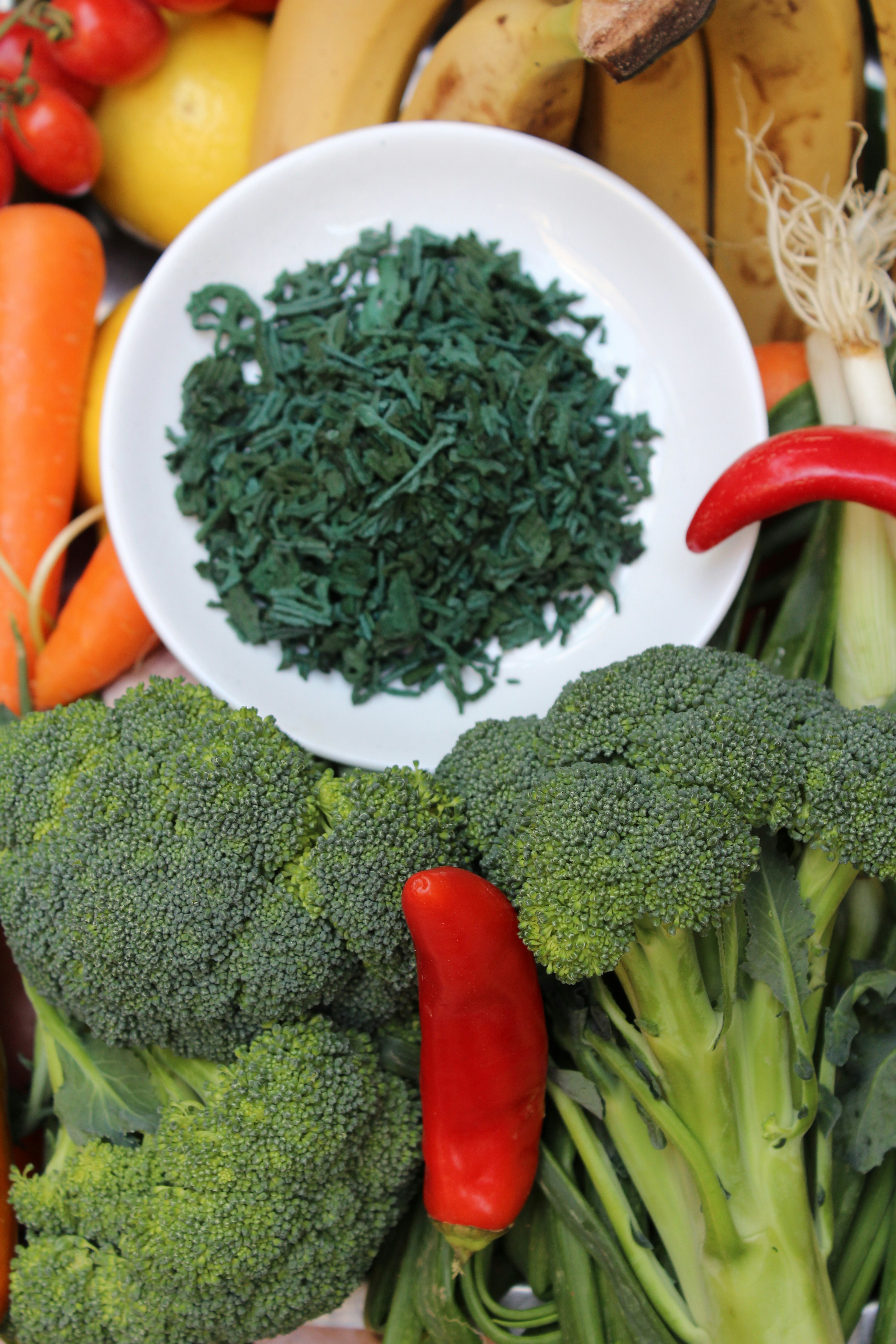
Cruciferous vegetables, such as broccoli and Brussels sprouts, contain compounds that promote detoxification.
Similarly, fruits rich in antioxidants, like berries and citrus, can help neutralize harmful free radicals that may damage liver cells.
Moreover, sources of healthy fats, such as avocados and olive oil, can also benefit liver health.
These fats assist in providing necessary nutrients while aiding the liver in its vital functions.
Hydration plays a critical role as well; water helps the liver eliminate toxins efficiently, thus enabling optimal function.
In conclusion, adopting a balanced diet that emphasizes nutritious foods while avoiding harmful substances is essential for maintaining liver health.
This thoughtful approach to dietary choices not only fosters liver function but also promotes overall wellness, emphasizing the intricate link between diet and liver health.
Top Foods for Liver Cleansing
The liver is an essential organ responsible for various bodily functions including detoxification, metabolism, and digestion.
Incorporating certain foods into your diet can significantly enhance liver health. Below are some of the most effective liver cleansing foods that are not only nutritious but also support optimal liver function.
Leafy Greens: Leafy greens such as spinach, kale, and mustard greens are rich in antioxidants and chlorophyll, which assist in neutralizing harmful substances and reducing the burden on the liver. They also help in stimulating bile production, crucial for digesting and eliminating toxins from the body.
Beets: Beets are known for their high content of betalains, which provide powerful antioxidant and anti-inflammatory benefits. Their natural detoxifying properties promote liver function and improve the overall efficiency of the detoxification process. Additionally, beets enhance the body’s ability to eliminate waste products.
Garlic: Garlic is not only a flavorful addition to meals but also a potent ally for liver health. It contains sulfur compounds that help cleanse the liver by activating liver enzymes responsible for flushing out toxins. Garlic is also rich in selenium, a mineral that enhances antioxidant action within the liver.
Avocados: Avocados are packed with healthy fats, fiber, and essential nutrients that support liver health. They are particularly rich in glutathione, a compound that aids in detoxification. Regular consumption of avocados can help reduce liver inflammation and promote overall liver function.
Incorporating these liver-cleansing foods into your diet can contribute significantly to maintaining liver health and supporting its critical functions. Each of these foods plays a unique role in promoting optimal liver performance while providing essential nutrients necessary for overall well-being.
How Antioxidants Support Liver Function
Antioxidants play a crucial role in maintaining liver health by combating oxidative stress, which can lead to liver damage and impaired function. Oxidative stress occurs when there is an imbalance between free radicals and antioxidants in the body.
These free radicals, which are unstable molecules, can arise from normal metabolic processes, environmental toxins, and unhealthy dietary habits.
A high level of oxidative stress can overwhelm the liver, leading to inflammation and cellular damage.
To mitigate this damage, the liver relies on antioxidants found in various foods. These compounds neutralize free radicals, effectively reducing their harmful effects.
Foods rich in vitamins C and E, flavonoids, and polyphenols are particularly beneficial. For instance, fruits like berries, citrus fruits, and vegetables such as spinach and kale provide essential antioxidants that support overall liver function.
Additionally, certain compounds, such as glutathione, a potent antioxidant synthesized by the liver itself, are vital for detoxification processes.
Glutathione helps to bind and eliminate toxins, promoting the efficient clearance of waste products from the body.

Incorporating antioxidant-rich foods into the diet can enhance the levels of glutathione, thus supporting hepatic health and function.
Moreover, studies have shown that specific antioxidants, including silymarin found in milk thistle and curcumin present in turmeric, have protective effects against liver diseases.
These substances not only help reduce inflammation but may also assist in repairing liver cells damaged by oxidative stress.
In summary, consuming a diet abundant in antioxidants is essential for supporting liver health and preventing oxidative damage. By prioritizing antioxidant-rich foods, individuals can optimize their liver function and overall well-being.
Herbs and Supplements that Aid in Liver Health
Liver health is crucial for overall well-being, and certain herbs and supplements can play a significant role in supporting its function.
Among the most well-known is milk thistle, scientifically recognized for its active compound, silymarin. This herb is renowned for its antioxidant properties, which help protect liver cells from damage caused by toxins and oxidative stress.
Regular consumption can enhance liver regeneration and improve its overall function. A typical dosage of milk thistle extract ranges from 140 to 600 mg daily, but it’s advisable to consult a healthcare provider for personalized recommendations.
Another beneficial herb is dandelion root, which has been traditionally used in herbal medicine for its detoxifying properties. Dandelion can stimulate bile production, promoting fat digestion and aiding the detoxification process.
Its diuretic properties help eliminate excess fluids and toxins from the body. The recommended dosage for dandelion root tincture varies, but it generally ranges from 2 to 4 ml per day, depending on the concentration and individual health considerations.
Other notable supplements include turmeric, with its active compound curcumin, which possesses anti-inflammatory and antioxidant benefits, and artichoke extract, known for its ability to support bile production and improve digestion.
Additionally, incorporating green tea in your routine can provide catechins, a type of antioxidant that aids liver function. For optimal results, it is important to choose high-quality supplements and adhere to recommended dosages.
As always, prior consultation with a healthcare professional is recommended to ensure safety and suitability based on individual health needs.
Hydration and Liver Function
Maintaining adequate hydration is essential for optimal liver function, as water plays a crucial role in various metabolic processes within the body.
The liver is responsible for detoxifying substances, metabolizing nutrients, and regulating various bodily functions. A well-hydrated body ensures that the liver can efficiently carry out these tasks.
One of the primary roles of water is its involvement in the detoxification process. The liver filters toxins and waste products from the bloodstream, transforming these substances into less harmful compounds that can then be excreted from the body.
When the body is dehydrated, this filtering mechanism can become hindered, making it more challenging for the liver to function effectively.
Insufficient water intake can lead to the accumulation of toxins, subsequently resulting in increased stress on the liver and potentially leading to liver complications.
Additionally, hydration supports the liver’s production of bile, which is essential for the digestion and absorption of fats. Bile also plays a critical role in the excretion of certain waste products and toxins.
A well-hydrated liver produces bile efficiently, ensuring that the digestive system operates smoothly. Furthermore, adequate hydration aids in nutrient transport, helping the liver to receive the vitamins and minerals needed to perform its functions.
It is essential to drink enough water throughout the day to maintain hydration levels, particularly if one consumes alcohol or high-sodium foods.
Foods with high water content, such as fruits and vegetables, can also contribute to overall hydration. Therefore, incorporating liquids and hydrating foods into one’s diet is crucial for promoting liver health and supporting its essential functions.
Lifestyle Changes to Enhance Liver Health
Improving liver health is an essential part of overall well-being, and certain lifestyle changes can significantly contribute to this objective. One of the most impactful adjustments is incorporating regular physical activity into your routine.
Engaging in at least 150 minutes of moderate exercise each week, such as brisk walking, swimming, or cycling, can help maintain a healthy weight, reduce liver fat, and enhance liver function.
Consistency is key, so finding activities that you enjoy can make this commitment easier to sustain.
Limiting alcohol consumption is another crucial factor in promoting liver health. Excessive alcohol intake can lead to liver inflammation, fatty liver disease, and even cirrhosis over time.
For those who consume alcohol, it is advisable to adhere to the recommended guidelines: up to one drink per day for women and two for men. Opting for alcohol-free days or finding non-alcoholic alternatives can support this change.
Additionally, avoiding processed foods can further protect liver function. Processed foods are often high in unhealthy fats and sugars, which can lead to weight gain and increased liver stress. Instead, focus on a diet rich in whole foods, including fruits, vegetables, whole grains, and lean proteins.
Preparing meals at home can help you control ingredients and avoid unhealthy additives. Meal prepping on weekends and incorporating more meals into your weekly routine can alleviate the pressure to resort to processed options during busy weekdays.
To facilitate these lifestyle changes, consider setting achievable goals, such as aiming for a certain number of active minutes per week or planning meals ahead of time. Engaging friends or family in these changes can provide motivation and support, making it easier to cultivate habits that promote optimal liver health.
Conclusion and Practical Tips for Incorporating Cleansing Foods
As we conclude our exploration of liver cleansing foods, it is important to recognize the significant impact that these nutrient-dense options can have on liver health and overall well-being.
Incorporating foods that support liver function can pave the way for enhanced detoxification processes, improved digestion, and better metabolic functioning.
To effectively integrate these foods into your daily meals, consider adopting a gradual approach. Start by introducing one or two liver-friendly foods each week, such as leafy greens, beets, and cruciferous vegetables, into your meals.
For example, add spinach or kale to your morning smoothie or include steamed broccoli as a side dish during lunch or dinner. Gradually, this will transform your dietary habits without overwhelming your routine.
Another practical tip is to experiment with different recipes that feature these liver-cleansing foods. There are numerous online resources and cookbooks rich with ideas that highlight how to prepare tasty dishes while promoting liver health.
Additionally, consider sourcing seasonal fruits and vegetables, as they often offer enhanced flavor and nutritional value.
It’s also beneficial to stay hydrated by drinking plenty of water throughout the day. Proper hydration aids the liver in flushing out toxins efficiently. Herbal teas, such as milk thistle or dandelion tea, may also provide supportive benefits for liver health.
Moreover, remember to consult a healthcare professional or nutritionist when making significant changes to your diet, especially if you have preexisting health conditions or are taking medications.
They can offer personalized advice that aligns with your individual health needs.
In summary, incorporating liver cleansing foods into your lifestyle can enhance your health significantly. By making thoughtful and gradual dietary changes, you can support your liver while enjoying nourishing and delicious meals.
FAQ
1. What is a liver detox drink?
A liver detox drink is a homemade beverage made with natural ingredients like lemon, ginger, cucumber, mint, turmeric, or apple cider vinegar that may help support hydration and healthy liver function.
2. What are the best ingredients for a liver detox drink?
Some popular ingredients include:
Lemon
Ginger
Turmeric
Cucumber
Mint
Beetroot
Apple cider vinegar
Green tea
Watermelon
These ingredients are often used because they are rich in antioxidants and nutrients.
3. Can I drink liver detox drinks every day?
Yes, many simple detox drinks made with fruits, vegetables, and herbs can be enjoyed daily as part of a balanced diet. However, it’s best to avoid excessive amounts of acidic ingredients or detox cleanses.
4. What is an easy lemon liver detox recipe?
Mix:
1 glass warm water
Juice of 1/2 lemon
1 teaspoon honey
A pinch of turmeric
Drink it in the morning on an empty stomach.
5. Does apple cider vinegar help detox the liver?
Apple cider vinegar is commonly used in detox drinks because it may support digestion and metabolism. Many people combine it with lemon and warm water for a simple detox drink.
6. What is the best morning detox drink for the liver?
A popular morning drink includes:
Warm water
Fresh lemon juice
Ginger slices
Honey
This refreshing drink may help hydrate the body and support digestion.
7. Can detox drinks help with bloating?
Yes, drinks made with cucumber, mint, ginger, or lemon may help reduce bloating and improve digestion when combined with healthy eating habits.
8. What is a simple cucumber detox water recipe?
Add to a large pitcher:
Sliced cucumber
Lemon slices
Fresh mint leaves
Cold water
Let it chill for 1–2 hours before drinking.

Buy Yoga Membership online Canada. 5 ways to enjoy your practice
This post may contain affiliate links which means we may receive a commission for purchases made through links. Read more on our Privacy Policy.
Discover more from Ms. Melissa Morris
Subscribe to get the latest posts sent to your email.