
This post may contain affiliate links which means we may receive a commission for purchases made through links. Read more on our Privacy Policy.
Yoga can support healthy weight management through more than calorie expenditure alone.

Table of Contents
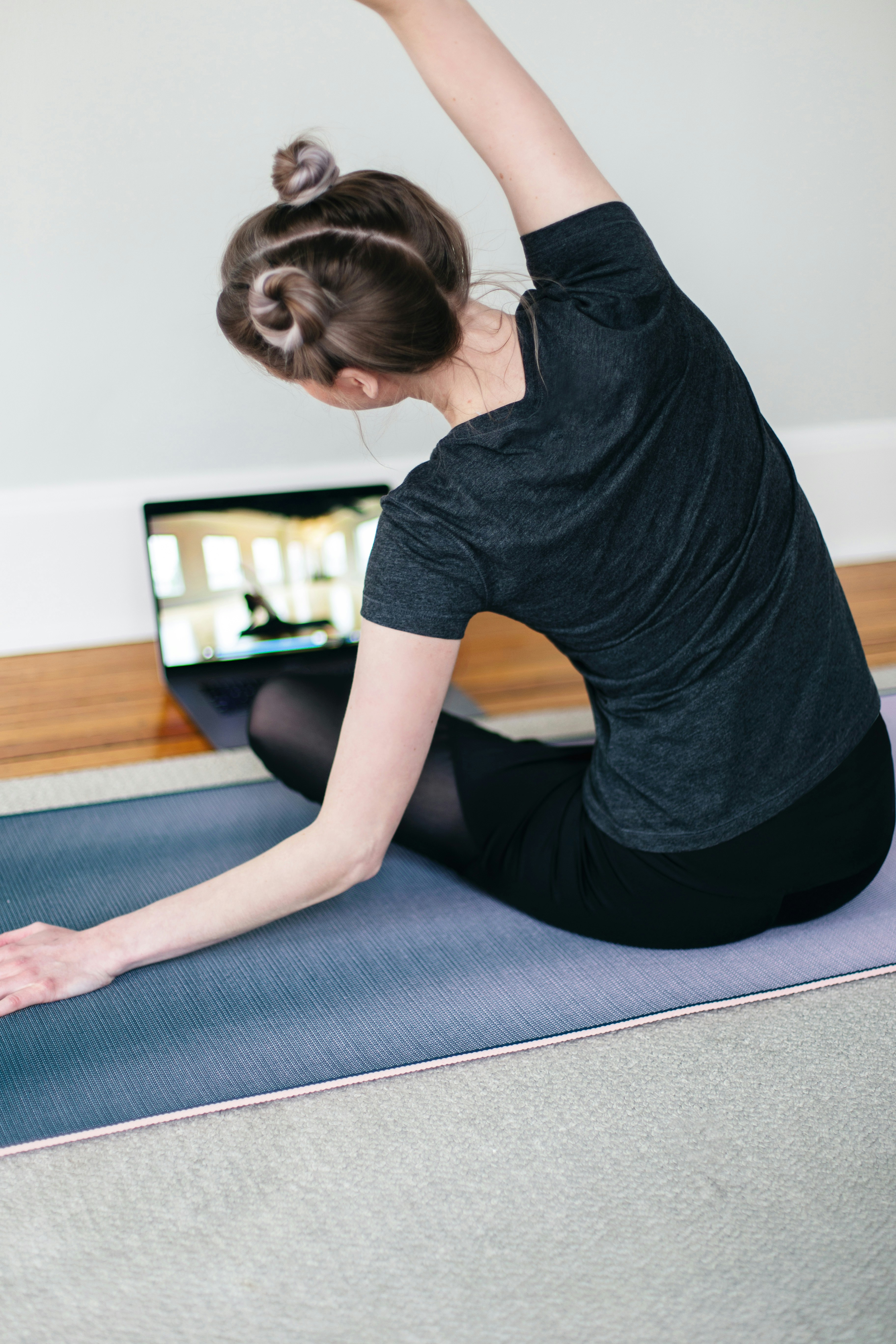
Try this 7-Day Beginner Yoga Routine for Weight Loss and Better Fitness. Its movements engage multiple muscle groups, improve mobility, and develop balance, coordination, and functional strength.
Although a yoga session may not burn as many calories as high-intensity cardio, regular practice can help beginners establish a sustainable exercise routine. Building this habit is important because consistent movement generally contributes more to long-term progress than occasional, demanding workouts that are difficult to maintain.
Shop health and wellness products. Learn more; click here!
Yoga may also help preserve lean muscle while the body changes, particularly when practices include weight-bearing poses such as planks, lunges, chair pose, and balancing positions. Greater body awareness can make it easier to notice hunger, fullness, fatigue, and emotional triggers.
7-Day Beginner Yoga Routine for Weight Loss and Better Fitness

In addition, breathing exercises and mindful movement may reduce stress-related eating for some people. Improved sleep is another potential benefit, since better rest can support energy, appetite regulation, and the motivation to remain physically active.
The style of yoga affects the level of physical demand. Restorative yoga and beginner Hatha classes usually emphasize slower movements, breathing, alignment, and supported poses, making them suitable starting points for many newcomers.
Vinyasa, power yoga, and faster flow-based practices generally involve more continuous movement and may raise the heart rate further. Beginners do not need to choose the most intense option immediately; a gradual progression can build strength, confidence, and tolerance while reducing the risk of overexertion.
Realistic expectations are essential. Changes in body weight depend on overall energy balance, nutrition, sleep, daily activity, stress, and consistency, so yoga is one part of a broader approach rather than a stand-alone solution. Begin with manageable sessions and prioritize safe alignment over flexibility or advanced poses.

Anyone with an injury, chronic condition, significant health concern, or prolonged inactivity should consult a healthcare professional before starting an exercise program and seek guidance on suitable modifications.
A practical home yoga routine begins with a space that supports steady movement. Choose a clear area with enough room to extend your arms and legs without hitting furniture, and use a nonslip surface to reduce the risk of sliding. Wear comfortable clothing that allows you to bend, stretch, and breathe freely.
A yoga mat is helpful, but a folded blanket can provide a suitable alternative on a firm floor. Keep optional props nearby, including blocks, cushions, a strap, or sturdy books. These supports can make poses more accessible and reduce unnecessary strain.
Keep the session simple and predictable. Begin with two or three minutes of quiet centering, allowing your breathing to become steady and your attention to settle.
Follow with a gentle warm-up, such as shoulder rolls, easy spinal movements, and slow transitions between comfortable positions.
Add standing movements before practicing strengthening poses, such as supported squats, modified lunges, or a brief plank variation. Finish with a short cool-down involving gentle stretches, then spend several minutes resting comfortably.
Start with approximately 15 to 25 minutes, three to five days per week. As your fitness and confidence improve, gradually add a few minutes or increase the challenge of selected movements rather than changing everything at once. Practicing at a consistent time, such as after waking or before dinner, can make the habit easier to maintain.
A beginner-friendly video or simple timer can provide structure, while a calendar or notebook can help you track sessions. Use tracking as encouragement, not as a test of perfection.
Throughout the practice, breathe steadily and avoid holding your breath. You should feel effort and mild stretching, but not sharp, intense, or worsening pain.
Modify poses by shortening the range of motion, using a prop, or choosing a gentler variation. Rest whenever you feel tired, dizzy, or unable to maintain controlled movement. Consistency, patience, and respectful attention to your body are more valuable than forcing advanced positions.
A beginner-friendly home yoga sequence can combine steady breathing, accessible poses, and gradual transitions to support strength, mobility, and consistent movement.
Begin seated or lying comfortably. Take five slow breaths, expanding the ribs on each inhale and relaxing the shoulders on each exhale. Move into a comfortable seated posture, then perform five to eight gentle cat-cow movements on hands and knees. Finish the preparation with child’s pose for several breaths, keeping the knees wide if that feels more comfortable.
Continue with downward-facing dog, bending the knees and lifting the heels as needed to reduce strain. Add a low lunge on each side to open the hips, followed by mountain pose to establish upright alignment. From mountain, practice chair pose for 20 to 30 seconds, then move through warrior I and warrior II on both sides. Standing poses and chair pose develop leg and core strength, while lunges improve hip mobility. Keep the front knee tracking toward the second toe and avoid collapsing inward.
Plank builds muscular endurance through the arms, shoulders, abdomen, and legs. Beginners can lower the knees while maintaining a straight line from the head to the hips. Move slowly between plank, downward-facing dog, and lunges rather than rushing the transitions.
After standing work, practice bridge pose for five to eight controlled repetitions or hold it for 20 seconds to engage the glutes and support the back. Follow with cobra or sphinx, keeping the lift gentle and the shoulders away from the ears. Seated twists and child’s pose can then reduce tension during the cool-down.
A sample flow includes three rounds of inhaling into mountain pose and exhaling into a forward fold, alternating low lunges, holding chair and warrior poses, and adding a modified plank.
Rest whenever breathing becomes strained. Progress by adding repetitions, extending holds by five to ten seconds, reducing rest gradually, or choosing a more dynamic flow. Maintain controlled movement, neutral alignment, and pain-free range throughout.
Yoga can support healthy weight loss, but it works best as part of a broader lifestyle rather than as a standalone solution. Its value extends beyond calorie expenditure: regular practice can improve body awareness, mobility, stress management, and consistency.

Pairing these benefits with balanced nutrition and daily movement creates a more practical foundation than relying on extreme restrictions or promises of rapid results.
Build meals around vegetables, fruit, protein sources such as beans, eggs, fish, poultry, or yogurt, whole grains, and healthy fats from foods such as nuts, seeds, avocado, and olive oil.
Avoid highly restrictive plans that are difficult to maintain. Drink water regularly, prioritize consistent sleep, and use mindful eating habits. Slowing down, limiting distractions, and noticing hunger and fullness cues can help yoga’s awareness practices carry into mealtimes.
Complement home yoga with low-impact cardio or resistance-based activity. Walking, cycling, swimming, and similar options can increase overall activity without placing excessive stress on the joints.
Strength training, including bodyweight exercises, can support muscle development and functional strength. Begin at a manageable level, then increase duration, frequency, or resistance gradually as your fitness improves.
Measure progress in more ways than the scale. Improved stamina, balance, strength, energy, mood, clothing fit, and consistency can all indicate meaningful change. If progress plateaus, review sleep, recovery, meal patterns, and current activity before making major adjustments.
A small change, such as adding a walk or slightly lengthening a practice, is often more sustainable than a drastic overhaul. Patience is essential because body composition and fitness changes develop over time.
Use a four-week progression to establish momentum. In week one, focus on practicing consistently and learning the movements. In week two, add standing poses and strength-focused sequences. In week three, introduce longer or more dynamic flows as comfort allows.
In week four, evaluate energy, performance, recovery, and enjoyment, then adjust intensity or duration for the next cycle. This flexible approach supports lasting habits and sustainable progress.
Join the Best At Home Yoga Membership for Beginners
This post may contain affiliate links which means we may receive a commission for purchases made through links. Read more on our Privacy Policy.
Discover more from Ms. Melissa Morris
Subscribe to get the latest posts sent to your email.