
This post may contain affiliate links which means we may receive a commission for purchases made through links. Read more on our Privacy Policy.
A short yoga routine can contribute to weight management when it becomes a consistent part of a broader, sustainable lifestyle.

Table of Contents
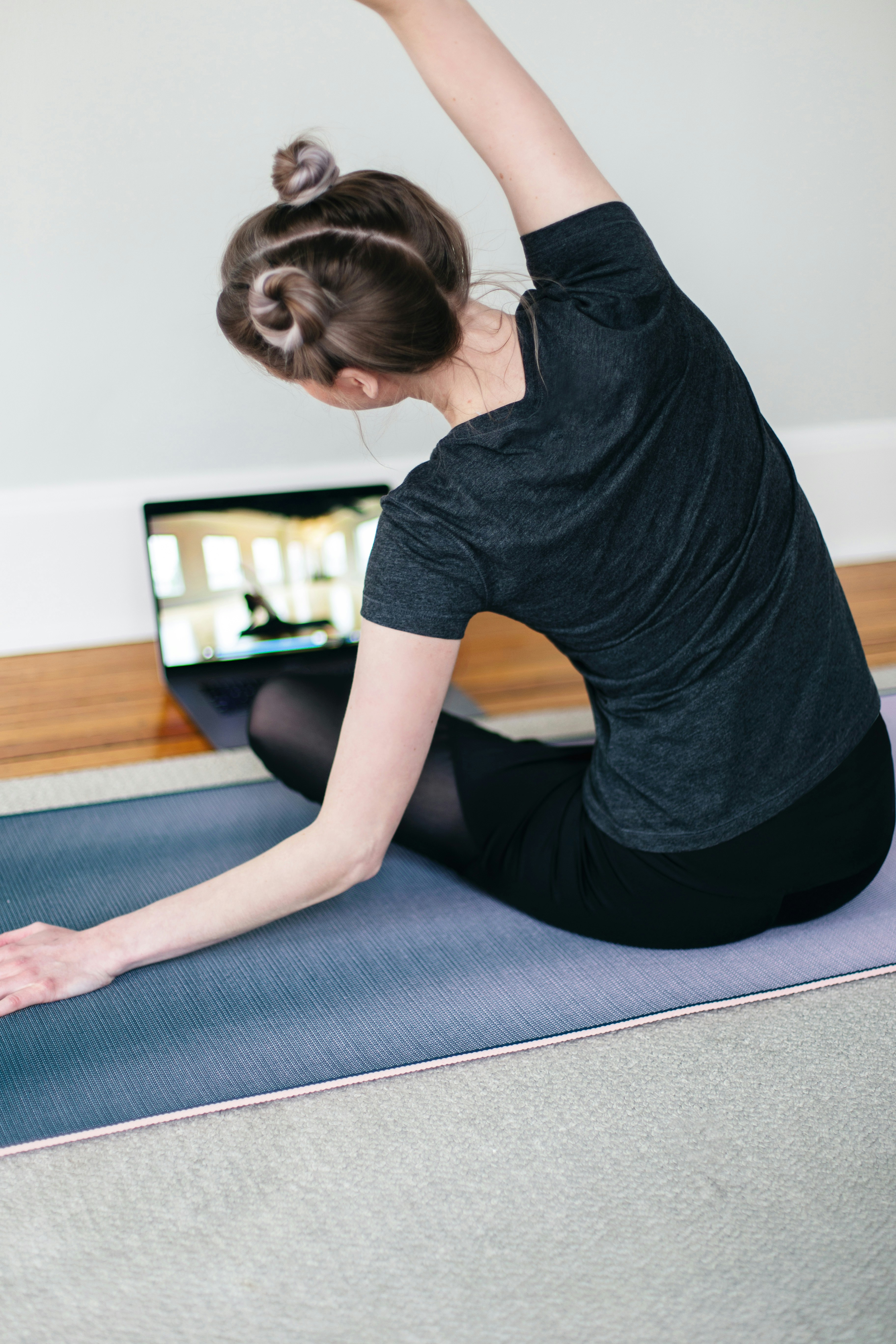
10-Minute Postpartum Yoga: Gentle Movement for New Moms may help someone build a regular activity habit, particularly when a longer workout feels difficult to fit into the day.
Depending on the poses and pace, a practice can involve standing, balancing, and controlled transitions that engage muscles and support strength, coordination, and mobility.
These benefits may make other forms of daily movement feel more manageable, from walking to household tasks. Yoga is not a guaranteed or rapid weight-loss method, but it can be one useful component of an overall plan.

The energy used during yoga varies considerably. Body size, fitness level, pace, time spent moving, and pose selection all influence calorie expenditure.
10-Minute Postpartum Yoga: Gentle Movement for New Moms
A gentle sequence is generally different from a faster, more physically demanding flow, and calorie estimates should not be treated as precise.
Shop health and wellness products! Click here learn more.
Moreover, exercise-related energy use is only one part of weight change. Yoga may also support stress management and relaxation, while a calming practice can help some people establish routines that promote better sleep. More restful sleep and lower stress may make it easier to follow healthful habits, though individual responses differ.
Body awareness is another potential benefit. Practicing attention to breathing, posture, and physical sensations may help people notice patterns of tension, fatigue, or hunger and make more considered choices.
These effects are not automatic, and yoga should be adapted to a person’s abilities and health circumstances. Lasting weight management typically depends on several factors working together: sustainable eating habits, regular movement throughout the day, adequate rest, and an approach that can be maintained over time.
A brief practice can provide structure and support, but it does not replace balanced nutrition, other suitable physical activity, or advice from a qualified health professional when needed.
Before beginning your ten-minute yoga session, choose a stable, level surface with enough grip to help prevent slipping. A yoga mat can provide cushioning and traction, but check that it lies flat and does not shift underfoot. Clear nearby furniture, loose rugs, and other obstacles.
Make sure you have enough room to extend your arms and legs in every direction without striking a wall or object. Wear comfortable clothing that allows you to move freely and does not drag on the floor. Keep water nearby so you can take a drink when needed, and choose a place where you can focus without rushing.
Start at an intensity that matches your current fitness, flexibility, and experience. The purpose is to move with control, not to force a deeper stretch or keep pace with someone else. Follow the routine at a comfortable speed, take pauses, and use simpler variations when a pose feels difficult.
You may skip or modify any movement that causes pain, dizziness, or unusual shortness of breath. Mild muscular effort, warmth, or a gentle stretch can be expected during movement; sharp, sudden, or worsening pain is a signal to stop or change position. If discomfort does not ease after you stop, seek appropriate professional advice.
Adapt the practice to your circumstances rather than treating every pose as essential. If you have an injury, balance limitations, pregnancy-related concerns, or a medical condition that could affect exercise, consult a qualified health professional or an appropriately trained yoga instructor before starting.
They can help identify suitable modifications and movements to avoid. Use a wall or sturdy chair for support if balance is uncertain, and move slowly when changing positions. Stop the session if you feel faint, unwell, or unusually breathless.
A short routine should remain manageable and comfortable; consistency does not require pushing through warning signs. With a safe setup and sensible adjustments, you can make the practice more appropriate to your needs and abilities.
Begin with one minute of gentle arrival. Stand with feet hip-width apart or sit upright on a stable chair, letting the shoulders relax. Breathe slowly through the nose, allowing each exhale to soften tension.
Notice how the body feels, and choose a range of movement that is comfortable today. Keep a chair or wall nearby for balance if needed.
Use the next two minutes to warm up. Come onto hands and knees for Cat-Cow, moving between a gently rounded back and a comfortable chest lift for several slow breaths. If kneeling is uncomfortable, sit in a chair and make the same spinal movements.
Then step one foot forward into a Low Lunge, with hands on the front thigh or on blocks. Keep the stance short and the back knee padded or resting on the floor. Change sides after about thirty seconds.
Spend five minutes moving through a steady strength-focused flow. From the lunge, press through the front foot and open into Warrior II, bending the front knee only as far as feels manageable. Hold for three or four controlled breaths, then return to the lunge and step back to a modified
Plank. Place hands on a wall, sturdy chair, or the floor, and lower the knees whenever that makes the position more comfortable. Hold briefly, then move back to hands and knees.
Repeat the sequence on the other side. Finish the flow with Chair Pose: bend the knees slightly and reach the arms forward or upward. Use a chair behind you for support, or practice sitting and standing slowly. Move between poses without rushing, coordinating transitions with calm breaths.

Reserve the final two minutes for a cool-down. Sit back toward the heels for a resting stretch, placing a cushion between the hips and heels if helpful, or sit in a chair and fold gently over the thighs.
Take several easy breaths, then slowly return upright. Throughout the routine, prioritize alignment, balance, and comfort over speed or depth. Pause or modify any pose that causes pain, and let steady breathing guide the pace.
Consistency is easier when the practice has a regular place in your day. Attach your ten-minute yoga session to an existing habit, such as getting dressed in the morning, taking a lunch break, or winding down before bed. Choose a time and location that feel realistic, and keep your mat or other needed equipment nearby.
Rather than aiming for a demanding daily schedule, begin with several sessions a week and repeat that pattern until it feels familiar. A brief practice you can maintain is generally more useful than an ambitious plan that quickly becomes difficult to follow.
Track progress in ways that reflect how your body and routine are changing, not only what the scale shows. Note how often you practice, and occasionally observe your balance, range of motion, strength, energy, and mood.
You might record whether a pose feels steadier or whether transitions become more comfortable. These changes can take time, so look for gradual patterns rather than judging each session. If weight-related goals matter to you, they can be one part of your broader picture of health, alongside these practical indicators of well-being.
As the sequence becomes comfortable, you can extend the session by a few minutes, repeat a familiar flow, or make a small adjustment to difficulty while keeping movements controlled and pain-free.
Support the routine with other enjoyable activity, such as regular walking, cycling, or dancing, as well as balanced meals and adequate sleep.
Yoga is one component of an overall approach to health, not a guaranteed or stand-alone method of weight loss. Ten minutes is a manageable starting point; allow your routine to develop at a pace that suits you. If you have health concerns, experience discomfort, or need help setting weight-related goals, consult a qualified health professional.

Join the Best At Home Yoga Membership for Beginners
This post may contain affiliate links which means we may receive a commission for purchases made through links. Read more on our Privacy Policy.
Discover more from Ms. Melissa Morris
Subscribe to get the latest posts sent to your email.