
This post may contain affiliate links which means we may receive a commission for purchases made through links. Read more on our Privacy Policy.
Introduction to International Women’s Day
Powerful International Womens Day Facts, celebrated annually on March 8, serve as an important global observance that highlights the achievements and rights of women worldwide.

Table of Contents
Established over a century ago, this day stands as a testament to the ongoing struggle for women’s equality, marking a call to action for accelerating gender parity.
The significance of this day lies in its role as a recognized platform to advocate for women’s rights and empowerment across diverse cultures and nations.
The roots of International Women’s Day can be traced back to the early 1900s, emerging from the labor movements in North America and Europe.
In 1908, a group of women organized a march in New York City, demanding better working conditions, suffrage, and the right to vote.
This activism set the stage for the observance of a designated day for women, culminating in the first official International Women’s Day celebrated in 1911.
As the years progressed, the day has evolved into a global celebration with various themes focused on different aspects of women’s challenges and accomplishments.
Currently, International Women’s Day is recognized in numerous countries around the world, each amplifying its significance through local events, discussions, and campaigns aimed at promoting gender equality.
Organizations, governments, and communities participate in this celebration, often using the day to reflect on progress made and the challenges that remain in achieving complete equality for women.
Like The Pin ? Save It!
This day not only celebrates women’s contributions to society but also emphasizes the importance of collective action in addressing gender-based disparities and advocating for women’s rights globally.
A Brief History of International Women’s Day
The origins of International Women’s Day date back to the early 20th century, an era marked by significant social change and upheaval.
The day emerged out of the labor movements in North America and Europe, which were advocating for better working conditions and women’s rights.
One of the earliest observed events took place on February 28, 1909, when the Socialist Party of America organized a National Women’s Day in New York City to honor the garment workers’ strike.
In 1910, at the International Socialist Woman’s Conference in Copenhagen, Clara Zetkin proposed the idea of an international day dedicated to women.
The proposal aimed to promote equal rights, including suffrage, for women around the world.
Upon unanimous approval, the first official International Women’s Day was celebrated on March 19, 1911, in Austria, Denmark, Germany, and Switzerland, where more than a million women and men participated in rallies advocating for women’s rights.
The significance of International Women’s Day continued to grow, particularly during the years following World War I2, with the end of the war in 1918 leading to women’s suffrage in several countries.
The date of March 8 was officially adopted in 1921, and it was later recognized by the United Nations in 1977, encouraging member states to proclaim March 8 as the UN Day for Women’s Rights and International Peace.
Over the decades, International Women’s Day has evolved, reflecting the changing roles of women in society, civil rights movements, and ongoing struggles against gender inequality.
It has transformed from a day of activism into a broader celebration of women’s achievements globally, underscoring the need to address issues such as pay equity, reproductive rights, and gender-based violence.
Today, it stands as a reminder of the progress made and the challenges that remain in achieving gender parity.
Themes and Objectives of International Women’s Day
International Women’s Day (IWD) has evolved over the years, adopting various themes that encapsulate the contemporary challenges faced by women globally.
Each year, a specific theme is chosen to direct attention towards key issues that affect gender equality and women’s empowerment.
These themes serve as focal points, guiding discussions, activities, and advocacy efforts surrounding IWD.
One of the primary objectives of International Women’s Day is to promote gender equality across all dimensions of life, including economic, political, and social spheres.
This objective invites stakeholders, including governments, organizations, and communities, to reflect on the existing disparities and propose actionable solutions.
The goal is to eliminate barriers that prevent women from achieving their full potential.
Women’s empowerment remains a central theme of International Women’s Day, emphasizing the importance of women’s rights, leadership, and participation in all areas.
Empowerment involves not only increasing access to education and economic opportunities but also enhancing women’s voices in decision-making processes.
By amplifying women’s contributions, society can foster more inclusive and equitable environments.
Additionally, the fight against gender-based violence constitutes a critical objective on International Women’s Day.
This theme underscores the urgent need to address various forms of violence that disproportionately affect women, including domestic violence, sexual harassment, and human trafficking.
Raising awareness about these issues is essential, as it galvanizes communities and policymakers to take meaningful action towards prevention and support for survivors.
In summary, the themes and objectives of International Women’s Day reflect a broader commitment to achieving gender equality, empowering women, and combating violence against them.
As the world continues to evolve, so too do the challenges and opportunities that shape the movement for women’s rights, making it essential to adapt the focus of IWD to remain relevant and impactful.
Global Celebrations and Traditions
International Women’s Day, observed annually on March 8, serves as a global celebration of women’s achievements, advocacy for gender equality, and a call to action for continued progress.
In various countries, this important day is marked by a blend of events, marches, and unique cultural expressions that reflect local customs and traditions.
For instance, in many European countries, International Women’s Day is recognized as a public holiday.
In Russia, it has deep roots in the socialist movement, and women often receive flowers and gifts from their families and colleagues, showcasing appreciation for their contributions.
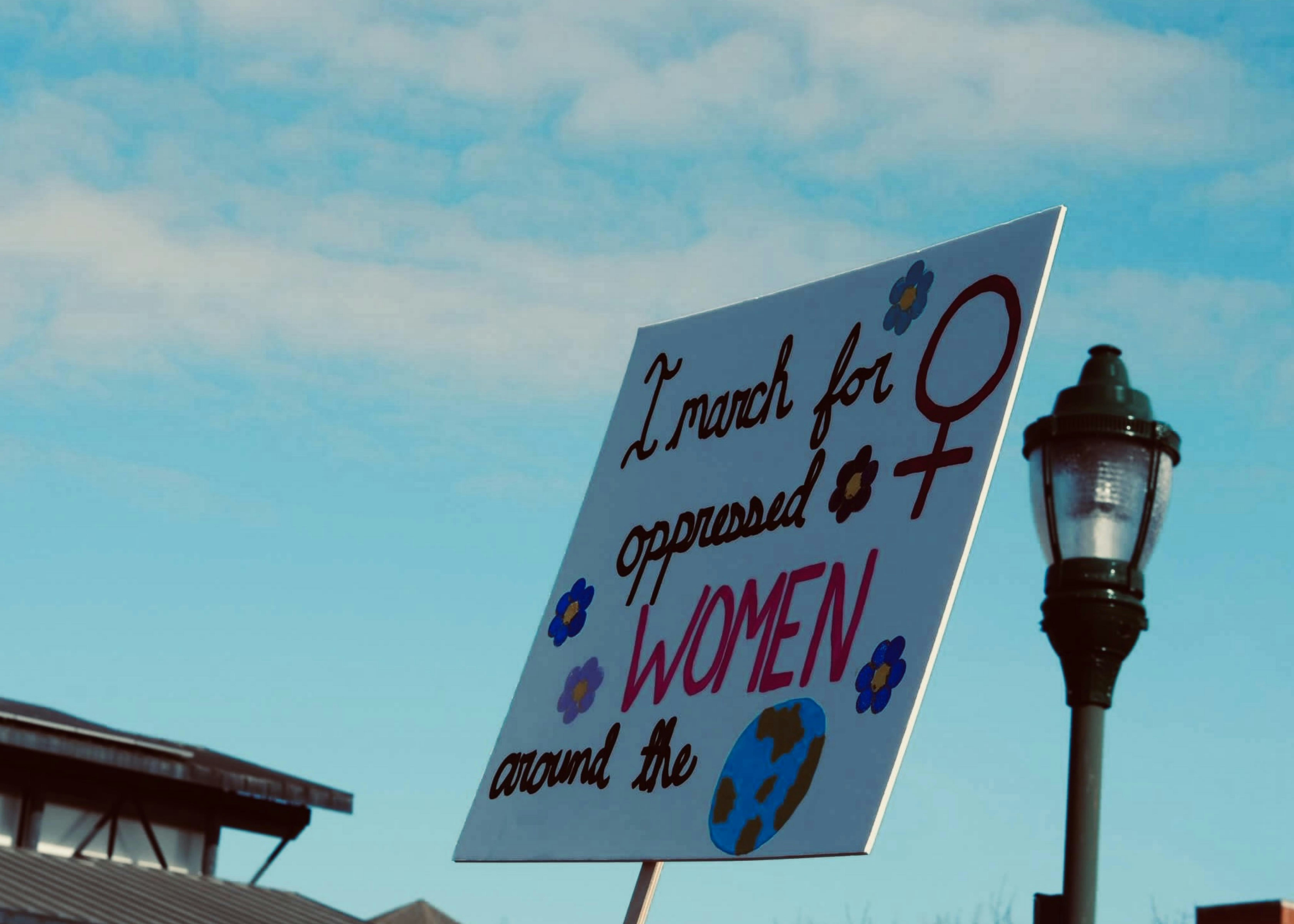
The day is also marked by significant protests and rallies advocating for women’s rights and issues related to gender equality.
In Italy, celebrations often encompass a variety of events, from arts exhibitions to performances that honor women’s accomplishments.
In the United States, International Women’s Day has garnered increasing prominence, especially in recent years.
Cities across the nation hold marches and events that draw attention to the ongoing struggle for women’s rights, workplace equality, and social justice.
Educational institutions conduct seminars and discussions, focusing on women’s history and the current challenges they face, encouraging community participation and awareness.
In Latino communities, Dia Internacional de la Mujer is celebrated with vibrant festivals, educational activities, and advocacy campaigns aimed at recognizing the essential role women play in society.
In countries like Kenya and Mexico, significant marches are organized to honor women’s resilience while campaigning for issues such as reproductive rights and gender-based violence.
These diverse celebrations and traditions highlight the rich tapestry of cultural expressions surrounding International Women’s Day, as each nation contributes uniquely to the global dialogue on women’s rights, making it a powerful occasion for solidarity, action, and remembrance.
The Role of Social Media in Advocacy
Social media platforms have fundamentally transformed the landscape of advocacy, particularly in the context of International Women’s Day (IWD).
These platforms, including Twitter, Facebook, and Instagram, serve as powerful tools to raise awareness about women’s issues globally.
With the ability to reach vast audiences almost instantaneously, social media has enabled activists and organizations to share impactful stories, mobilize support, and spur activism related to gender equality.
On International Women’s Day, millions of users participate in campaigns and discussions that emphasize women’s rights and gender equality.
Hashtags such as #IWD2023 and #ChooseToChallenge have emerged as rallying cries, bringing attention to various issues ranging from reproductive rights to economic disparities faced by women worldwide.
The ability to use condensed messages, visuals, and videos likewise enhances the effectiveness of advocacy efforts, making the content more relatable and engaging.
Moreover, social media platforms allow for a more democratic approach to activism wherein marginalized voices can be amplified.
Women who may not have access to traditional media opportunities can share their narratives and experiences, thus fostering a greater understanding of the challenges they face.
These stories humanize the statistics surrounding gender inequality and create emotional connections that can inspire action among followers.
Furthermore, the virality of content on social media can lead to significant real-world changes.
Online movements often translate into offline actions, such as protests and local initiatives, directly impacting policy discussions.
The momentum generated through social media campaigns can pressure governments and organizations to address women’s rights issues more actively.
In essence, social media is a crucial component of contemporary advocacy efforts for International Women’s Day, facilitating a broader conversation around women’s issues and compelling action on a global scale.
As technology continues to evolve, the potential for social media to drive advocacy further underscores its importance in the fight for gender equality.
Women across the globe encounter persistent challenges that hinder their development and well-being. One significant issue is economic inequality, where women are often paid less than their male counterparts for similar work.
According to the World Economic Forum, the global gender pay gap is projected to take over 135 years to close at the current rate of progress.
This economic disparity is prevalent in various sectors, affecting women’s ability to access quality healthcare, education, and housing.
Political underrepresentation is another obstacle faced by women. Despite making up about half of the world’s population, women hold only 26% of parliamentary seats globally, as reported by the Inter-Parliamentary Union.
This lack of political representation means that women’s voices are frequently overlooked in policy-making processes, leaving them vulnerable to legislation that may not serve their best interests.
Countries like Rwanda have made strides by implementing quotas, resulting in the highest percentage of women in parliament, yet such measures are not universally adopted.
Violence against women remains a pervasive issue, affecting millions worldwide. The United Nations estimates that one in three women has experienced physical or sexual violence in her lifetime, often at the hands of an intimate partner.
This violence not only inflicts immediate harm but also has long-term psychological consequences, perpetuating a cycle of abuse and fear.
In many regions, insufficient legal frameworks and cultural taboos hinder women’s ability to seek justice and protection.
Addressing these challenges requires a concerted effort from governments, organizations, and communities.
Increasing awareness of gender issues, implementing effective policies, and fostering equitable environments are critical steps to overcoming the barriers that women face globally.
Collective action can promote meaningful change, ensuring that women’s rights and opportunities continue to advance in all spheres of life.
Inspirational Figures and Movements
Throughout history, numerous women have emerged as powerful advocates for gender equality, shaping the course of social movements and inspiring generations.
Figures such as Susan B. Anthony and Emmeline Pankhurst are fundamental examples of women who galvanized efforts for women’s suffrage in the United States and the United Kingdom, respectively.
Their relentless pursuit of rights led to significant changes in legislation, acknowledging women’s voices and paving the way for future advancements.
Such historical movements demonstrate the crucial role women have played in the ongoing fight for equal rights.
In more contemporary contexts, movements like the Me Too movement and women-led protests around the world have further highlighted the need for gender equality.
The Me Too movement, initiated by Tarana Burke and popularized by influential figures like Alyssa Milano, calls attention to sexual harassment and assault, showcasing the collective experiences of women and demanding accountability.
This movement represents a broader cultural shift towards recognizing and rectifying systemic gender-based injustices, encouraging open discussions and fostering solidarity among women.
The impact of these historic and contemporary movements is profound. They have not only raised awareness but have also spurred legislative reforms and changes in societal attitudes towards women.
From advocating for equal pay and reproductive rights to combating gender-based violence, these movements form the backbone of the ongoing quest for gender equality.
Moreover, the achievements of women like Malala Yousafzai, who advocates for girls’ education, demonstrate the continuous evolution of activism and the diverse avenues through which women’s rights can be advanced.
As we acknowledge the achievements and sacrifices of these inspirational women, it is essential to recognize that the journey towards gender equality is ongoing.
Each movement builds upon previous struggles, empowering individuals to challenge social norms and aspire for a more equitable future.
The dedication of these figures serves as a reminder of the significance of women’s rights movements throughout history and their enduring relevance in contemporary society.
How to Get Involved and Make a Difference
International Women’s Day serves as an important platform for advocating women’s rights and promoting gender equality. Individuals looking to contribute positively to this cause can consider various methods to get involved and make a meaningful difference.
Firstly, participating in local events is a proactive way to show support. Many communities organize marches, seminars, and workshops that focus on women’s issues and empowerment.
Attending these events not only raises awareness but also fosters a sense of solidarity among participants. Check local listings or social media channels for events scheduled in your area around March 8th.
In addition to attending events, supporting women-owned businesses is a tangible way to contribute to gender equality.
Purchasing products and services from female entrepreneurs not only boosts their economic standing but also promotes visibility for women in business.
Look for local women-owned establishments to support, or consider exploring online directories that feature such businesses.
Engaging in activism is another avenue for making a difference.
This can involve joining local advocacy groups or participating in campaigns that focus on women’s rights issues. Many organizations offer volunteer opportunities that can help amplify the voices of women in your community.
Moreover, spreading the word through social media is an effective method of raising awareness on International Women’s Day and beyond.
Consider sharing relevant articles, statistics, or personal stories that highlight the importance of gender equality.
Lastly, fostering discussions around women’s issues within your circle can create a significant impact.
Open conversations about challenges faced by women in different sectors can lead to greater awareness and understanding, encouraging others to take action.
By getting involved in these various ways, you can contribute to the vital conversations and actions necessary for advancing women’s rights.
The Future of Gender Equality and International Women’s Day
As we look to the future, the trajectory of gender equality remains a pivotal focus for societies worldwide, especially on International Women’s Day.
The continuation of the fight for women’s rights and equality is essential in overcoming persistent challenges and addressing emerging issues.
The upcoming goals include ensuring equal pay, combating gender-based violence, and fostering women’s representation in leadership positions across various sectors.
In the coming years, we can anticipate progress driven by increased awareness and advocacy for gender equality. International Women’s Day serves not only as a day of celebration but also as a catalyst for change.
With movements such as #MeToo and advocacy for policies like paid family leave gaining traction, the conversation around gender equality is becoming more prominent in public discourse.
The importance of supporting women in science, technology, engineering, and mathematics (STEM) fields and promoting women’s health and reproductive rights are also expected to remain central themes in the fight for equality.
The role of the younger generation is particularly significant as they bring fresh perspectives and innovative ideas to the ongoing struggle for women’s rights.
Engaging youth through education and empowerment initiatives can inspire a new wave of advocates who are equipped to tackle challenges unique to their experiences.
Additionally, utilizing social media to raise awareness and mobilize support plays a crucial role in engaging younger populations and ensuring that their voices are heard.
International Women’s Day is a reminder that the responsibilities of advocating for gender equality extend beyond specific events and require sustained commitment.
In conclusion, the future of International Women’s Day and the broader quest for gender equality depend on the collective efforts of all members of society, from older generations to youth advocates.
Together, they can forge a path toward a world where women and men coexist as equals, ensuring that the significance of this day resonates throughout history.
This post may contain affiliate links which means we may receive a commission for purchases made through links. Read more on our Privacy Policy.
Discover more from Ms. Melissa Morris
Subscribe to get the latest posts sent to your email.